




Bamboo Clothing Baby vs Cotton: Which Fabric Is Better for Your Child?

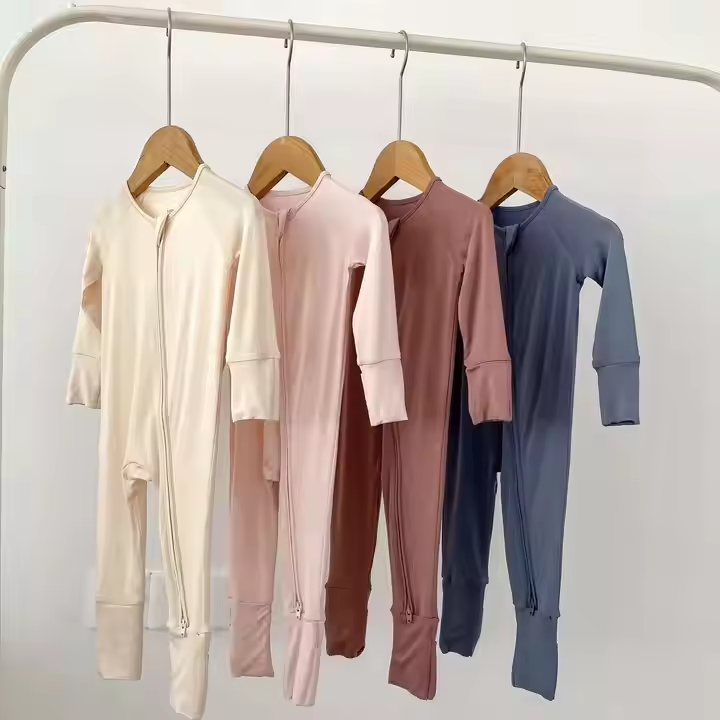
Choosing the right clothing for your child is more than just picking a cute design or soft color. For parents and caregivers, the fabric touching a baby’s delicate skin is crucial. With sensitive skin, constant growth and long hours spent in clothing, children deserve fabrics that prioritize comfort, health and sustainability.
Among the options available today, bamboo clothing baby and traditional cotton clothing are two of the most popular. Both are natural fibers, but they differ significantly in texture, breathability, moisture management and environmental impact. At Alanra, we believe that selecting the right fabric is about more than just softness; it is about nurturing your child’s skin, supporting healthy sleep and making eco-conscious choices.
In this blog, we will compare bamboo clothing to cotton clothing, explore the benefits of each and explain why bamboo often emerges as the superior choice for both comfort and long-term care.
Understanding Your Baby’s Skin Needs
Babies’ skin is delicate, thin and highly sensitive. It is more prone to irritation, redness and reactions from friction, moisture or chemicals. Doctors and pediatricians emphasize that the first layer of clothing is more than just fabric; it is a protective barrier that impacts a baby’s comfort and health.
Cotton has traditionally been considered a safe choice due to its softness, breathability and widespread availability. However, cotton varies in quality. Conventional cotton is often treated with pesticides, dyes or chemical softeners, which can remain on the fibers and irritate sensitive skin. Even organic cotton, while gentler, may not provide the same moisture-wicking and thermal regulation properties as bamboo.
In contrast, bamboo clothing baby is naturally smooth, hypoallergenic and free from harsh chemicals. The fibers are rounded and soft, minimizing friction and reducing the risk of rashes or discomfort. Pediatricians often recommend bamboo as a skin-friendly alternative because it aligns with the needs of babies who have eczema, dermatitis or general sensitivity.
Softness and Comfort: Bamboo vs Cotton
Softness is a top priority for any bamboo clothing baby item. Bamboo fibers are naturally silky, creating a smooth texture that feels gentle against a baby’s skin. Unlike some cotton fabrics, which may feel slightly coarse after multiple washes, bamboo retains its softness over time. This longevity ensures your child remains comfortable day after day.
Furthermore, bamboo fabric is lightweight yet resilient. It drapes naturally over the body, allowing babies to move freely without restriction. Its elasticity and smoothness help reduce friction in areas prone to chafing, such as underarms and thighs. In contrast, while high-quality cotton can feel soft initially, it often becomes less smooth after repeated washing and exposure to detergents.
Parents often notice that babies wearing bamboo clothing seem more relaxed and comfortable. This is not just subjective; smooth fabrics reduce stimulation to sensitive nerve endings in the skin. In short, bamboo offers consistent comfort that cotton sometimes struggles to match.
Breathability and Temperature Regulation
Maintaining an optimal body temperature is essential for babies. Overheating can trigger discomfort, sweating and even sleep disturbances. The right clothing should regulate temperature by allowing air circulation while wicking moisture away from the skin.
Bamboo fabric excels in breathability. Its micro-gaps allow air to flow freely, which helps prevent overheating during naps, playtime or outings. The fibers also wick moisture efficiently, keeping babies dry even if they sweat or drool. This helps reduce the risk of rashes and bacterial growth that thrive in damp conditions.
While cotton is breathable and lightweight, it absorbs moisture rather than actively wicking it away. As a result, a wet or sweaty cotton garment can cling to a baby’s skin, leading to discomfort or irritation. In comparison, bamboo clothing baby adapts naturally to temperature fluctuations, keeping your child comfortable in both warm and cool environments.
Hypoallergenic and Skin-Friendly Properties
Hypoallergenic fabrics are essential for babies with sensitive or reactive skin. Bamboo is naturally resistant to allergens and bacteria, making bamboo clothing ideal for sensitive skin. It prevents odor buildup and limits the growth of microbes, reducing the chances of irritation.
Cotton is generally considered non-irritating; however, conventional cotton may contain residual chemicals from processing. Even organic cotton, while safer, does not inherently resist bacteria or odor. Parents seeking additional protection for their child’s sensitive skin often find bamboo clothing to be a more comprehensive solution.
By choosing bamboo, you are creating a gentler environment for your child, one that aligns with pediatric recommendations and supports skin health from day one.
Durability and Longevity
Babies grow fast and clothing needs to withstand frequent washing and active play. Durability is an important factor when comparing bamboo clothing baby to cotton.
Bamboo fibers are resilient and retain their softness even after repeated washes. Unlike cotton, which can shrink, fade or lose its smooth texture, bamboo clothing retains its shape, color and comfort. This means parents can rely on bamboo garments to perform well over time, making them a worthwhile investment.
Furthermore, bamboo fabric’s durability extends to home essentials. A bamboo towel set, for instance, remains soft and absorbent after countless washes, creating a consistent, gentle experience for babies and family members alike. When durability meets comfort, bamboo clearly stands out as a superior choice.
Environmental Impact: Why Bamboo Wins
Sustainability is no longer a secondary concern; it is central to modern parenting choices. Bamboo is one of the most eco-friendly fabrics available. It grows rapidly, requires minimal water and regenerates naturally without the use of pesticides. Additionally, bamboo is biodegradable, meaning it leaves a smaller environmental footprint compared to conventional cotton.
Cotton, although natural, can be a resource-intensive crop. Even organic cotton requires significant water for cultivation and may have other environmental impacts associated with farming and processing. For parents who want to align comfort with responsibility, bamboo offers a practical and sustainable alternative.
By choosing bamboo clothing for babies and bamboo towel sets, families can adopt a more eco-conscious lifestyle, making choices that are better for both children and the planet.
Versatility: Bamboo Clothing for Every Stage
Bamboo clothing is not only ideal for newborns but remains practical as children grow. The softness, breathability and hypoallergenic properties make it suitable for sleepwear, loungewear, playtime outfits and even layering under other clothing.
Unlike cotton, which can feel stiff in some styles or lose comfort over time, bamboo adapts to a child’s movements and maintains a consistent feel. Parents often report that bamboo garments are their go-to choice for children with sensitive skin because they combine practicality with skin-friendly benefits.
Similarly, a bamboo towel set complements daily routines, from bath time to outdoor play, ensuring that comfort and gentle care extend beyond clothing alone.
How Alanra Supports Families with Bamboo Essentials
At Alanra, we believe in creating products that support families, babies and the environment. Our bamboo clothing baby collection is designed with medical and parent-approved standards in mind. Every garment is crafted from high-quality, ethically sourced bamboo fibers, tested for softness, breathability and skin safety.
Additionally, our bamboo towel sets are selected to complement our clothing lines, offering a complete, gentle and sustainable daily routine for children. By combining clothing and home essentials made from bamboo, Alanra provides parents with confidence that every touchpoint respects their child’s delicate skin.
Our commitment goes beyond comfort. Every product reflects our core values of sustainability, safety and ethical responsibility, enabling families to make choices that align with their own values.
Making the Right Choice for Your Child
When deciding between cotton and bamboo, consider the following:
- Skin Sensitivity: Bamboo is naturally hypoallergenic and gentle.
- Softness: Bamboo maintains a silky, smooth texture even after washing.
- Moisture Control: Bamboo wicks away moisture, while cotton absorbs it.
- Temperature Regulation: Bamboo adapts to your child’s body temperature.
- Durability: Bamboo retains its shape, softness and color over time.
- Environmental Impact: Bamboo is a faster-growing, low-water and biodegradable material.
By weighing these factors, it becomes clear why doctors increasingly recommend bamboo clothing for babies over traditional cotton. Families gain comfort, convenience and long-term benefits for their children and the planet.
Conclusion
Ultimately, choosing bamboo clothing for your child is about more than trends; it is about care. Bamboo combines softness, breathability, hypoallergenic properties and sustainability in ways that cotton often cannot match. From daily wear to sleepwear and complementary items like a bamboo towel set, bamboo creates a gentle, nurturing environment for babies and toddlers.
At Alanra, our focus is on providing families with thoughtfully designed, ethically sourced and physician-approved products. By choosing bamboo clothing baby and bamboo-based essentials, parents give their children comfort, support and protection while making choices that are better for the planet.
Invest in bamboo. Support your child’s sensitive skin. Choose Alanra.